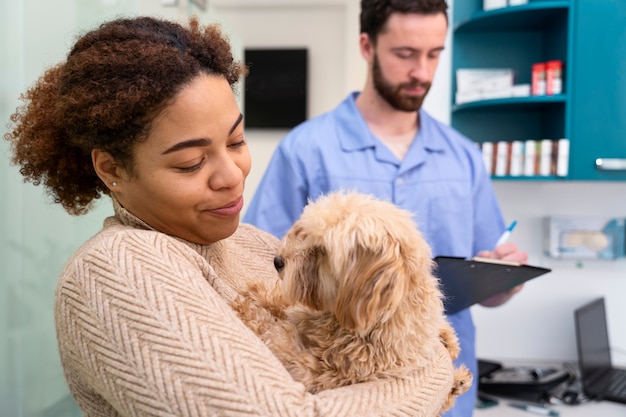
Can You Give a Dog an Enema? Vet Guidance in Carmel

Can You Give a Dog an Enema? Vet Guidance in Carmel
When your dog is struggling with constipation or discomfort, it is natural to wonder what you can do to help them feel better—especially after hours or when your regular veterinarian is unavailable. One common question pet owners have is, “Can you give a dog an enema at home?” At VetCheck Pet Urgent Care Center - Carmel, we understand how concerning digestive issues can be for your furry companion. Our urgent care team in Carmel, IN is committed to providing fast, compassionate care for non-life-threatening emergencies. We offer professional enema services, advanced in-house diagnostics, and walk-ins are always welcome—no appointment needed. In this blog, we will explain when an enema is needed, discuss the risks of at-home attempts, and share how our veterinary professionals can safely help your dog when constipation strikes.
Recognizing the Signs: Does Your Dog Need an Enema?
Before considering any intervention, it is important to know when your dog might be experiencing constipation or related issues that could require an enema. Common signs that your dog may be constipated include straining to defecate, producing small or hard stools, or going several days without a bowel movement. You might also notice discomfort when your dog tries to pass stool, frequent attempts with little or no result, or even signs of abdominal pain such as whining, restlessness, or a hunched posture. Some dogs may lose their appetite or show decreased energy due to the discomfort. If you observe any of these symptoms, especially if they persist for more than a day or are accompanied by vomiting or lethargy, your pet could be experiencing a more serious digestive problem.
Constipation can sometimes be confused with other health concerns, including urinary issues or diarrhea, so it is important to pay close attention to your dog's behavior and bathroom habits. In rare cases, dogs may strain without producing stool because of an obstruction, which is a true emergency. If you are unsure whether your dog is constipated or suffering from a more severe issue, contacting the veterinary professionals at VetCheck Pet Urgent Care Center - Carmel right away can provide peace of mind and ensure your pet receives proper care.
Understanding Canine Constipation: Why Does It Happen?
Dog constipation occurs when stool moves too slowly through the digestive tract, becoming hard, dry, and difficult to pass. Several factors can contribute to this problem. Common causes include dehydration, lack of dietary fiber, ingestion of foreign objects, or certain medical conditions like enlarged prostate, spinal injuries, or metabolic disorders. Additionally, some dogs experience constipation after surgery, medications, or periods of inactivity, as can happen during recovery from illness or injury.
Environmental and behavioral factors play a role as well. For example, stress from travel, changes in routine, or anxiety about bathroom spaces can disrupt normal elimination patterns. Ingesting non-food items such as bones, hair, or toys may lead to blockages that worsen constipation and require urgent veterinary intervention. It is important to remember that puppies, senior dogs, and pets with underlying health issues may be more prone to constipation and its complications.
Can You Give a Dog an Enema at Home? Risks and Why Veterinary Care Is Essential
Many pet owners ask, “Can you give a dog an enema at home?” While it might be tempting to try and relieve your dog's discomfort quickly, administering an enema without veterinary supervision is risky and not recommended. Human enemas and over-the-counter products are not formulated for pets and can cause severe complications, including toxicity, electrolyte imbalances, or rectal injuries. Even so-called “safe” home remedies carry significant risks, especially if the underlying cause of constipation is not addressed.
Attempting an enema at home can lead to trauma of the intestinal lining or accidental puncturing of the colon, both of which may require emergency surgery. Additionally, if your dog is suffering from an obstruction, infection, or another serious medical issue, a home enema could worsen the condition or delay life-saving treatment. At VetCheck Pet Urgent Care Center - Carmel, our veterinary team uses specialized solutions and sterile techniques tailored to your dog's individual needs. We thoroughly assess your pet to determine the safest, most effective treatment, minimizing discomfort and complications.
If you are searching for professional enema procedures for pets, our clinic offers immediate access to these services. Walk-ins are welcome, and our advanced in-house diagnostics help us quickly identify the root cause of your dog’s symptoms, ensuring a prompt, accurate approach to care.
Why Not Human Enema Solutions?
It is especially important to avoid using human enema products, such as those containing sodium phosphate or soapsuds, on dogs. These solutions can cause dangerous electrolyte shifts, dehydration, and even neurological complications. Only veterinary-approved products, administered by trained professionals, should ever be used for canine enemas.
How Veterinary Professionals Treat Constipation in Dogs
When you bring your dog to VetCheck Pet Urgent Care Center - Carmel for constipation, our veterinary professionals begin with a thorough examination and may recommend diagnostic tests such as abdominal palpation, X-rays, or in-house diagnostics to rule out blockages or underlying disease. If an enema is needed, our team uses sterile, pet-safe solutions and gentle techniques to encourage safe elimination.
Treatment options may involve fluid therapy to rehydrate your dog, administration of stool softeners or laxatives as prescribed, and careful monitoring throughout the process. In more severe cases, or when a foreign object is suspected, surgical intervention may be necessary. Our urgent care center is equipped to perform these procedures quickly and compassionately, reducing your pet’s discomfort and risk of complications.
After the initial treatment, we provide guidance on ongoing care, diet, and strategies to prevent recurrence. We also monitor your pet’s recovery in our facility if needed, offering full or partial day hospitalization for pets who need extra support.
Preventing Constipation: What Pet Owners Can Do at Home
While some causes of constipation require professional intervention, there are steps you can take at home to support your dog’s digestive health. Ensure your dog has constant access to fresh water, as dehydration is a leading cause of constipation. Feeding a balanced diet with adequate fiber, offering regular exercise, and providing plenty of bathroom breaks can help maintain regular bowel movements. For dogs prone to eating non-food items, supervising playtime and discouraging scavenging behavior can reduce the risk of intestinal blockages.
If your dog has a history of constipation or medical conditions that increase their risk, work closely with your veterinarian to develop a management plan. Avoid giving your dog human medications or home remedies for constipation unless specifically recommended by a veterinary professional. If dietary changes or increased water intake do not resolve mild constipation within a day, or if your dog seems uncomfortable or unwell, it is time to seek veterinary advice.
When to Seek Immediate Veterinary Care: Urgent Scenarios
Constipation can sometimes signal a more serious underlying problem, such as an intestinal blockage, infection, or metabolic disease. Warning signs that your dog needs urgent veterinary care include persistent vomiting, loss of appetite, marked lethargy, visible abdominal swelling, pain when touched, or blood in the stool. If your dog is repeatedly straining with no result, or if you suspect they have eaten a foreign object, do not wait—seek help immediately.
At VetCheck Pet Urgent Care Center - Carmel, we are here when emergencies happen, including after hours or on weekends when your regular veterinarian may not be available. Our clinic welcomes walk-ins and provides immediate access to urgent care services so your pet does not have to wait for relief. Our veterinarians will assess your dog's condition, recommend the safest treatment, and provide ongoing support for a smooth recovery.
If you are ever unsure whether your dog's symptoms require prompt attention, it is always best to err on the side of caution and contact a veterinary professional. Timely intervention can prevent complications and ensure your pet’s comfort and wellbeing.
Trust VetCheck Carmel for Safe, Professional Dog Enema Services
Constipation can be distressing for both pets and their owners, but you do not have to face it alone. At VetCheck Pet Urgent Care Center - Carmel, our compassionate veterinary team is ready to help with safe, effective solutions for digestive issues including professional enema procedures. Remember, the answer to “can you give a dog an enema at home?” is that it is never safe to try this without veterinary guidance. Our team is equipped to provide the right care, right when you need it—so your pet can get back to feeling their best as quickly as possible.
If you are searching for an “emergency vet near me” or need help with your dog’s digestive health in Carmel and surrounding communities, you can count on us. Walk-ins are always welcome, and we are open when your regular vet is not. For more information about our services, visit our professional enema procedures page or call us at (317) 516-0707. You can also find us at 1374 South Rangeline Road, Carmel, IN 46032 for immediate care—no appointment needed. Your pet’s comfort and health are our top priorities, and our veterinary professionals are always here to help.
This blog provides general information and is not a substitute for professional veterinary advice. If your pet is experiencing symptoms of constipation or distress, consult a veterinarian promptly.