When Your Cat Needs an Enema: Urgent Care Guide
When Your Cat Needs an Enema: Urgent Care Guide
If you are a cat owner in Carmel or the surrounding communities, it can be deeply worrying to see your pet straining in the litter box or acting uncomfortable. Constipation in cats is more than just a minor inconvenience; it can quickly become a serious health concern requiring prompt veterinary intervention. One of the most effective ways to relieve severe constipation is an enema for cats, a procedure performed by veterinary professionals to help your feline companion safely pass stool. At VetCheck Pet Urgent Care Center - Carmel, located at 1374 South Rangeline Road, Carmel, IN 46032, our team is ready to provide immediate relief and compassionate care when your regular veterinarian is unavailable. Walk-ins are welcome and no appointment is needed, ensuring your cat gets help as soon as signs of trouble appear. In this urgent care guide, we'll explain when your cat may need an enema, how to recognize the warning signs, what to expect during your visit, and why quick action is so important.
Recognizing the Signs: When Constipation Becomes an Emergency
Cats are masters at hiding discomfort, so it's crucial to pay close attention to subtle changes in their behavior. If your cat is straining in the litter box without producing stool, crying out during attempts, or making frequent trips to the box with little to show for it, these may be early indicators that something is wrong. Other warning signs include passing small, hard stools or none at all, loss of appetite, vomiting, lethargy, and a bloated or tender abdomen. In some cases, you might notice your cat avoiding the litter box entirely due to pain or discomfort. Any of these symptoms can be distressing for both you and your pet, and they often signal that your cat may need urgent intervention such as an enema for cats. Because constipation can rapidly progress to more severe health issues, especially if left untreated, seeking help from a veterinary professional at the first sign of trouble is always the safest option.
Understanding the Causes: Why Do Cats Get Constipated?
Constipation in cats can be triggered by a variety of factors, ranging from dietary habits to underlying medical conditions. Common causes of feline constipation include dehydration, lack of dietary fiber, ingestion of hair (especially in long-haired breeds), obesity, and reduced physical activity. Medical issues such as arthritis, which makes it painful for cats to squat, or neurological disorders affecting colon function, can also play a role. Occasionally, blockages caused by foreign objects, tumors, or anatomical abnormalities may be to blame. It's important to remember that older cats and those with chronic kidney disease are particularly prone to constipation due to their body's reduced ability to maintain hydration. Emotional stress, changes in environment, or holding stool for extended periods can further exacerbate the issue. By understanding these causes, pet owners can be more vigilant about early intervention and prevention.
Why Timely Relief Matters
When a cat is unable to pass stool, toxins can build up in the body, leading to a condition called obstipation—a severe form of constipation where the colon becomes packed with hard fecal matter. This can result in appetite loss, vomiting, and, if untreated, more serious complications like megacolon, where the colon stretches and loses its ability to contract. The longer constipation goes unaddressed, the greater the risk to your cat's health, which is why swift action is essential when you notice the warning signs.
Veterinary Enema for Cats: What to Expect at Urgent Care
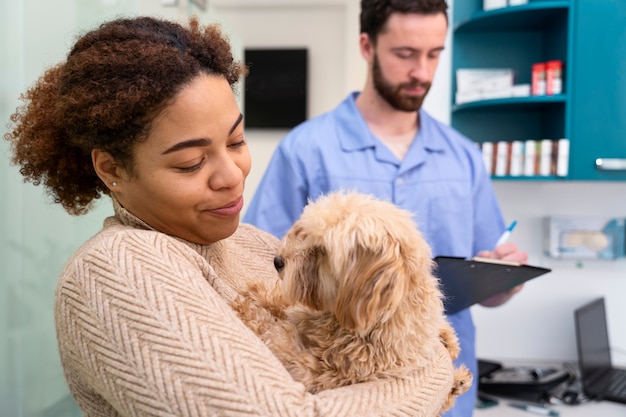
If your cat arrives at VetCheck Pet Urgent Care Center - Carmel with constipation symptoms, our veterinary team will start by performing a thorough physical examination and, when necessary, recommend diagnostic tests such as X-rays or bloodwork to assess the severity and underlying cause of the problem. Once it is determined that an enema for cats is appropriate, the procedure will be carefully administered by trained veterinary professionals in a safe, controlled environment. The process involves gently introducing a specialized solution into the colon to soften and lubricate the stool, making it easier for your cat to pass the blockage.
During your visit, you can expect our team to closely monitor your cat's vital signs and comfort level throughout the procedure. In some cases, mild sedation may be used to minimize stress and discomfort, especially if your cat is anxious or the constipation is severe. Depending on the response to treatment, your pet may be able to go home the same day or require a period of observation in our clinic. You can find more details about our veterinary enema services for cats and other pets on our website.
Safety Considerations and Aftercare
Attempting to give an enema at home is not recommended, as improper technique or the use of unsafe solutions can cause serious injury and even be life-threatening for cats. Our veterinary team uses only safe, cat-appropriate solutions and is trained to manage any complications that may arise. After the procedure, we provide tailored aftercare instructions, which may include dietary adjustments, hydration support, and recommendations for follow-up care. Monitoring your cat at home for any changes in behavior, appetite, or litter box habits is crucial in the days following treatment.
Preventing Constipation: Steps You Can Take at Home
While some cases of constipation are unavoidable, there are several steps you can take to reduce your cat's risk. Offering plenty of fresh water throughout the day is essential, as dehydration is a major contributor to hard stools. Incorporating wet food into your cat's diet can help boost moisture intake, while a diet rich in fiber may encourage regular bowel movements. Encouraging play and physical activity assists with healthy digestion, so try to engage your cat with toys or interactive games. Regular brushing helps minimize hair ingestion, especially during seasonal shedding periods. For cats that are prone to stress, maintaining a consistent routine and safe, quiet environment can also be beneficial. Always clean the litter box daily so you can quickly spot changes in elimination habits.
If your cat is taking medications or has an underlying health condition, speak with your veterinarian about ways to manage constipation risk. Never administer human laxatives or over-the-counter remedies without veterinary guidance, as many are harmful to cats.
When to Seek Emergency Veterinary Care for Your Cat
Constipation can escalate quickly in cats, and some signs indicate the need for immediate professional assistance. If your cat has not passed stool for more than 48 hours, is vomiting, seems lethargic or weak, has a swollen or painful abdomen, or is crying out in distress, urgent care is required. Cats with chronic health problems, such as kidney disease or diabetes, should be seen even sooner if constipation develops. At VetCheck Pet Urgent Care Center - Carmel, walk-ins are always welcome and no appointment is needed—our doors are open for those moments when your regular vet is unavailable or you cannot wait for a scheduled visit. Timely treatment, such as an enema for cats, can be lifesaving and dramatically improve your pet's comfort and well-being.
If you are unsure whether your cat's symptoms warrant urgent care, err on the side of caution and bring your pet in for an evaluation. Our emergency and urgent veterinary care services are designed to address time-sensitive medical issues quickly and compassionately.
Compassionate, Immediate Help for Cat Constipation in Carmel
Constipation in cats is a problem that should never be ignored, as it can lead to severe pain and more serious health complications if left untreated. At VetCheck Pet Urgent Care Center - Carmel, our team of veterinarians provides fast, skilled relief for feline constipation with procedures like enema for cats, ensuring your pet receives the care they need when it matters most. Walk-ins are always welcome, and we are here during evenings, weekends, and holidays to support you when your regular vet may not be available.
If you notice your cat straining, vocalizing in the litter box, or showing other signs of constipation, don't wait for symptoms to worsen. When searching for an emergency vet near me, trust our veterinary professionals at 1374 South Rangeline Road, Carmel, IN 46032 to deliver the urgent care your cat needs. For more information about our veterinary enema services for cats or to speak directly with our team, call (317) 516-0707—we are always ready to help your pet feel better, fast.
This blog is intended for informational purposes only and does not substitute professional veterinary advice. If your cat is experiencing severe symptoms or you have concerns about their health, please seek immediate veterinary care.