How Pet Owners Can Prevent Winter Injuries
How Pet Owners Can Prevent Winter Injuries
As winter settles into Carmel and the surrounding communities, pet owners face unique challenges in keeping their furry companions safe and healthy. The cold, snowy conditions typical of January can quickly lead to unexpected injuries or urgent health concerns for pets—especially when icy sidewalks, hidden hazards, and freezing temperatures become part of daily life. At VetCheck Pet Urgent Care Center - Carmel, located at 1374 South Rangeline Road, Carmel, IN 46032, our veterinary professionals see a noticeable spike in winter-related emergencies every year. Whether it’s a slip on black ice, accidental ingestion of toxic substances like antifreeze, or frostbite from extended exposure, winter brings serious risks that can lead to urgent vet visits.
In this blog, we’ll walk you through how to prevent winter pet injuries, offering practical pet emergency prevention tips tailored to the Carmel climate. You’ll learn how to recognize signs of trouble, pet-proof your home for cold weather, and understand when it’s time to seek immediate care. Remember, walk-ins are always welcome at our urgent care center—no appointment needed. We’re here for you when your regular vet isn’t available, ready to provide emergency pet care when you need it most. For more details about our rapid diagnostics and urgent care services, visit our emergency veterinary care page.
Recognizing the Signs of Winter Injuries in Pets
Many winter hazards can go unnoticed until your pet starts to show symptoms. Timely recognition of these signs is crucial for effective intervention and can help prevent further complications. Common winter injuries in pets often manifest as limping, reluctance to walk, excessive licking of paws, or sudden whining after outdoor activity. Frostbite is another concern, with symptoms including pale or bluish skin, especially on the ears, tail, and paw pads, followed by swelling or blisters as tissues warm up. Hypothermia may reveal itself through violent shivering, lethargy, uncoordinated movements, or even collapse if the exposure is severe.
In addition to these cold-related conditions, slipping on ice can lead to sprains, lameness, or visible pain. Warning signs to watch for are limping, swelling, or a sudden change in the way your pet moves. Salt and de-icing chemicals can cause irritation, resulting in red or cracked paw pads, or your pet may suddenly start chewing at their feet after a walk. If your pet is coughing or has discharge from the eyes after spending time outdoors, this could indicate upper respiratory irritation from cold air or winter allergens.
It’s always wise to observe your pet closely after time outside, especially during the coldest months. If you notice any of these symptoms, a prompt visit to an urgent care vet near me can make all the difference in recovery and comfort.
Understanding the Causes: Why Winter Brings More Pet Emergencies
Cold weather introduces several risks that aren’t as common during the rest of the year. Freezing temperatures put pets at risk for hypothermia and frostbite, particularly for small breeds, seniors, or animals with thin coats. Ice and snow can hide sharp objects or create slippery surfaces, leading to injuries such as sprains, torn toenails, and lacerations. Additionally, antifreeze spills in garages and driveways are a particular hazard during winter; just a small amount can be deadly if ingested, and unfortunately, its sweet taste attracts curious pets.
Salt and de-icers, while necessary for human safety, can burn sensitive paw pads or be toxic if licked off fur. Ingesting snow or slush can sometimes introduce harmful chemicals or foreign objects. Cold air can exacerbate respiratory conditions or trigger flare-ups of chronic problems in pets with underlying health issues. Finally, pets spending more time indoors might get into mischief, such as chewing on electrical cords from space heaters or ingesting holiday decorations, which can quickly result in urgent veterinary visits.
The environmental factors unique to Carmel’s winter mean that pet injury prevention isn’t just about keeping your pet warm; it’s about actively anticipating and addressing the many ways cold weather can create urgent health concerns.
Treatment and Management: How Veterinary Professionals Handle Winter Injuries
When pets arrive at our urgent care center with winter injuries, our veterinary team is equipped with advanced diagnostic tools and treatment options designed for rapid, compassionate care. For orthopedic injuries such as sprains or fractures caused by slipping on ice, veterinary professionals will perform a physical exam followed by imaging with veterinary x-rays to accurately assess the extent of the injury. Treatment approaches may include splinting, pain management, and sometimes minor surgical intervention if tissue damage is severe.
For frostbite, the affected area is carefully warmed, and supportive care such as intravenous fluids or medications to improve circulation may be provided. In cases of hypothermia, gradual rewarming and close monitoring of body temperature are essential. If your pet has ingested a toxic substance like antifreeze, our team will immediately initiate pet poison control and toxicology services to minimize absorption and prevent lasting organ damage.
For less severe injuries like irritated or cracked paw pads, we clean and treat the affected area, sometimes applying protective bandages or topical medications. Eye irritation from cold wind or debris is managed with gentle flushing and, if needed, further evaluation through our eye injury care services.
Winter injuries can escalate quickly, so timely treatment is critical. Our in-house diagnostics allow us to deliver fast answers and immediate care. We remain open during evenings, weekends, and holidays to ensure your pet has access to an emergency veterinarian near me when it matters most.
Prevention and Home Care: Actionable Steps to Protect Your Pet
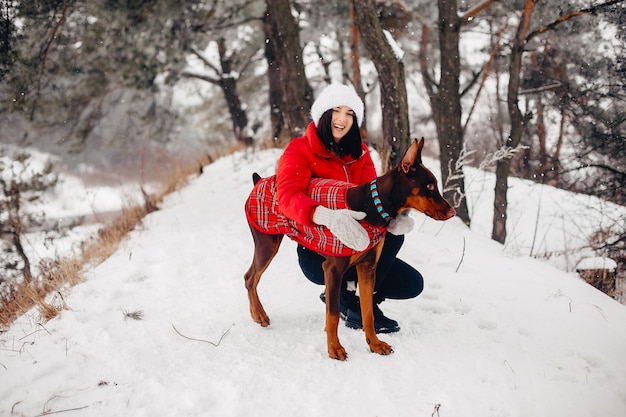
Preventing winter injuries starts with proactive, everyday habits. Before heading outdoors, check the weather and consider your pet’s breed, age, and health status. Limit outdoor time during the coldest days, and use pet-friendly sweaters or jackets for small or short-haired breeds. Paw protection is vital; pet-safe boots can provide a barrier against salt and cold, but if your pet resists, wiping paws thoroughly after walks removes irritants and prevents ingestion of harmful chemicals.
Keep your property clear of ice, but always use pet-safe de-icing products. Promptly clean up any antifreeze spills, and store chemicals out of reach. For pets that love to play in the snow, supervise them to prevent wandering into roadways or ingesting foreign objects hidden beneath the snow. Indoors, make sure heaters are pet-safe and cords are secured. Offering a cozy bed away from drafts helps keep your pet comfortable.
Hydration remains essential, as pets can become dehydrated in winter just as easily as in summer. Provide fresh water and ensure it doesn’t freeze if kept outside. Watch for signs of discomfort after outdoor adventures, and act quickly if you see limping, licking, or any of the other signs described earlier.
Taking these steps can go a long way to prevent winter pet injuries in Carmel, especially when the weather is at its harshest. For additional peace of mind, consider a mid-winter wellness examination to catch any early signs of trouble and discuss tailored pet emergency prevention tips with our veterinary professionals.
When to Seek Immediate Veterinary Care in Winter
Despite the best prevention, some situations require prompt medical attention. You should seek urgent care if your pet shows persistent limping, severe pain, or cannot bear weight after a fall. Signs of frostbite or hypothermia, such as pale skin, shivering that does not stop, or lethargy, always warrant an immediate trip to the vet. If your pet ingests antifreeze, salt, or any chemical product, do not wait for symptoms—visit an emergency veterinarian near me right away, as these toxins can be life-threatening within hours.
Sudden swelling of the face, difficulty breathing, or collapse are also emergencies that demand immediate care. Remember, our clinic welcomes walk-ins and is open when your regular veterinarian may be closed. Our team of veterinarians can quickly diagnose and treat urgent winter injuries with compassion and expertise, ensuring your pet receives the care needed to recover safely.
Conclusion: Keeping Your Pet Safe This Winter—We’re Here When You Need Us
Winter in Carmel brings beauty and excitement, but it also introduces real risks for our pets. By recognizing the signs of injury, understanding the unique winter hazards, and taking proactive steps at home, you can help prevent winter pet injuries and keep your furry family member safe. If your pet does have an accident or shows concerning symptoms, don’t wait. Walk-ins are always welcome at VetCheck Pet Urgent Care Center - Carmel, and no appointment is needed. Our veterinary team is here to provide rapid, compassionate care—including in-house diagnostics and urgent treatment—when you need an emergency vet near me the most.
If you have questions, need advice, or are concerned about your pet’s health this winter, call us at (317) 516-0707 or stop by our conveniently located clinic at 1374 South Rangeline Road, Carmel, IN 46032.
Your pet’s safety and comfort are our top priorities, and our veterinary professionals are always ready to help protect your best friend—no matter what winter brings. For more information on pet emergency prevention tips or to find out about our winter injury prevention services in Carmel, visit our emergency veterinary care page or reach out today. Stay safe, stay warm, and know that VetCheck Pet Urgent Care Center - Carmel is always here for you and your pet.