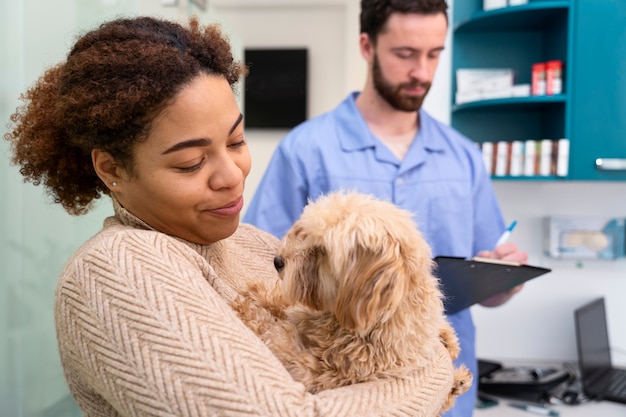
Winter Pet Health Emergencies: What Carmel Owners Should Watch For

Winter Pet Health Emergencies: What Carmel Owners Should Watch For
When February’s chill settles over Carmel and the surrounding communities, our pets face unique seasonal dangers that can quickly turn into health emergencies. While winter brings plenty of cozy moments indoors, it also increases the risk of hypothermia, frostbite, hidden injuries, and toxic exposures. As a pet owner, knowing what signs to watch for can make all the difference in keeping your furry family member safe. At VetCheck Pet Urgent Care Center - Carmel, located at 1374 South Rangeline Road, Carmel, IN 46032, we understand that emergencies don’t wait for regular office hours. That’s why our veterinary professionals are here for you and your pet with immediate care—walk-ins welcome and no appointment needed, even after other clinics are closed.
This winter guide will help you recognize urgent symptoms, understand what causes these seasonal issues, and know exactly when to seek help. We will cover everything from the warning signs of cold-related emergencies and hidden winter injuries to poisonous risks unique to the colder months. If you ever need urgent help for your pet, our team is ready to provide emergency veterinary care right here in Carmel. Let’s explore how you can keep your companion safe all season long.
Recognizing Winter Pet Health Emergencies
Winter weather in Carmel is more than just an inconvenience for pets; it can create hazardous conditions that lead to serious health emergencies. Recognizing the warning signs early is crucial for a good outcome. Common symptoms of cold-related emergencies include persistent shivering, lethargy, pale or bluish skin, and reluctance to move. When frostbite sets in, you might notice that your pet’s ears, paws, or tail are especially cold to the touch, swollen, or even discolored. Hypothermia can cause weakness, confusion, and a slow heartbeat. If your pet has been outside during icy conditions, hidden injuries such as lameness, limping, or sudden swelling may indicate a sprain, strain, or even a fracture.
Winter also increases the risk of accidental poisonings and digestive emergencies. Symptoms of toxic exposure, such as ingesting antifreeze or ice-melting chemicals, can develop rapidly and include drooling, vomiting, disorientation, or seizures. Additionally, icy sidewalks and rough terrain can result in paw pad injuries, cuts, or lacerations that bleed or become infected. Watch for persistent licking of paws, bleeding, limping, or any wounds that do not heal.
Gastrointestinal emergencies are another concern during colder months; pets are sometimes tempted to eat things they find in the snow or trash, leading to vomiting, diarrhea, or abdominal pain. If you notice your pet struggling to urinate, showing blood in the urine, or making frequent trips outside without result, these may signal a urinary blockage, which can be life-threatening, especially in male cats.
Paying close attention to these signs and acting quickly can prevent more severe complications. If you observe any of these symptoms, your pet may need immediate veterinary attention.
Why Winter Puts Pets at Risk: Understanding the Causes
Winter emergencies occur for several reasons, many of which are unique to the season. The most obvious factor is the drop in temperature. Pets, especially those with short coats, seniors, and those with underlying health issues, are less able to regulate body heat. Prolonged exposure to the cold can quickly lead to hypothermia and frostbite, particularly in extremities like ears, tails, and paws.
Icy walkways, snow piles, and hidden debris can lead to slips, falls, and injuries that often go unnoticed until your pet starts limping or displaying discomfort. Salt and de-icing chemicals, commonly used on sidewalks and driveways throughout Carmel, can cause chemical burns on paw pads and are toxic if ingested during grooming. Antifreeze spills present a significant poisoning hazard, as even small amounts can be deadly if licked from a driveway or garage floor.
During the winter, pets may spend more time indoors, increasing their risk for accidental ingestions. Holiday treats, decorations, and certain houseplants can all be harmful, while festive gatherings can add to the possibility of your pet sneaking something inappropriate to eat. Cold weather can also exacerbate pre-existing respiratory or urinary conditions, making it harder for pets to stay comfortable and healthy.
The combination of environmental hazards and behavioral changes during winter months means that pet emergencies can happen to even the most cautious owners. Understanding these risks helps you stay a step ahead when it comes to your pet’s wellbeing.
How Winter Emergencies Are Treated: What to Expect at Urgent Care
When you bring your pet to VetCheck Pet Urgent Care Center - Carmel for a winter emergency, our veterinary team immediately prioritizes your pet’s comfort and safety. For cold-related issues like hypothermia or frostbite, treatment often begins with gentle warming techniques, intravenous fluids, and close monitoring of vital signs. If frostbite is present, our veterinarians carefully evaluate the affected tissues and provide pain management, wound care, and antibiotics if infection is a concern.
For injuries such as sprains, strains, or fractures caused by slips on ice, our urgent care facility is equipped with digital x-ray services to quickly assess the extent of the damage. We provide splinting, pain relief, and, if necessary, surgical intervention for more severe cases. Lacerations and cuts are treated with thorough cleaning, possible suturing, and bandaging to prevent infection. You can learn more about our approach to laceration repair surgery and wound management on our website.
If poisoning is suspected, our clinic uses in-house diagnostics to identify the toxin and guide treatment, which may involve inducing vomiting, administering activated charcoal, or providing intravenous medications and supportive care. For antifreeze or other chemical exposures, rapid intervention is vital, and our veterinary professionals will work quickly to minimize absorption and prevent organ damage.
Digestive upsets such as vomiting or diarrhea are assessed for severity and underlying cause; treatment may include anti-nausea medication, fluid therapy, and dietary adjustments. For urinary emergencies, especially male cats with possible blockages, immediate catheterization or other interventions may be necessary to relieve discomfort and restore normal urination. We are fully equipped for these urgent procedures and will keep you informed every step of the way.
Keeping Your Pet Safe: Prevention and Home Care During Winter
While not every emergency can be prevented, there are practical steps you can take to reduce your pet’s winter risks. Limiting outdoor time during bitter cold snaps, outfitting your pet with a warm coat or booties, and always drying off their paws after walks can help prevent frostbite and chemical burns. Wipe your pet’s feet thoroughly when returning indoors to remove any traces of salt or de-icing chemicals.
Keep antifreeze, ice melt, and other household chemicals securely stored, and clean up spills immediately. Be mindful of your pet’s surroundings when outside; avoid letting them eat snow, lick at puddles, or investigate unfamiliar substances. Indoors, keep holiday foods and decorations out of reach, and monitor your pet when guests are present to avoid accidental ingestion of harmful items.
Providing a warm, draft-free sleeping area and ensuring your pet stays active indoors with play and enrichment can help maintain their physical and mental health. Regularly check your pet’s skin, ears, and paws for signs of irritation, swelling, or wounds. If you notice your pet limping or excessively licking an area, inspect for injuries or foreign objects like ice or gravel.
Always supervise your pet during bathroom breaks and walks, especially at night or in unfamiliar areas. By staying vigilant and proactive, you can minimize many of the most common winter hazards.
When to Seek Immediate Veterinary Care
Winter emergencies can escalate quickly, so knowing when to seek urgent help is essential. You should bring your pet to VetCheck Pet Urgent Care Center - Carmel if you notice severe or persistent shivering, confusion, pale or blue gums, difficulty breathing, or sudden weakness. Immediate care is also necessary if your pet has been exposed to antifreeze or other toxins, is vomiting repeatedly, or has diarrhea that lasts more than a day.
Wounds that bleed excessively, do not heal, or show signs of infection—such as redness, swelling, or discharge—should be evaluated as soon as possible. Any signs of lameness after a fall or slip, especially if your pet cannot bear weight on a limb, warrant prompt attention. Urinary emergencies, including straining, blood in the urine, or inability to urinate, require immediate intervention, particularly in male cats.
If you suspect your pet has ingested a toxic substance, call us or a poison control resource right away. You may find additional information at the Pet Poison Help Line or the ASPCA Animal Poison Control Center. Remember, our veterinary team welcomes walk-ins and no appointment is needed, even outside regular office hours. We are here when your regular vet is not available, ensuring that your pet receives the timely care they deserve.
Your Partner for Winter Pet Emergencies in Carmel
Caring for your pet during the coldest months can be challenging, but you never have to face a winter emergency alone. At VetCheck Pet Urgent Care Center - Carmel, we are committed to providing compassionate, rapid care whenever your pet needs it most. Our experienced veterinary professionals are here to address hypothermia, frostbite, injuries, poisonings, and digestive upsets with state-of-the-art diagnostics and treatment options—right here in Carmel and the surrounding communities.
If you are searching for an "emergency vet near me" this winter, remember that our doors are open for walk-ins with no appointment necessary. Whether your pet slips on ice, shows signs of a cold-weather emergency, or simply seems "off," our team is ready to help. Visit us at 1374 South Rangeline Road, Carmel, IN 46032 or call (317) 516-0707 for immediate assistance.
Your pet’s safety and wellbeing are our top priorities all year long. If you have questions or concerns about winter risks, or if your pet is experiencing urgent symptoms, please reach out to our veterinary team today. For more information about our emergency and urgent care services, visit our website or stop by whenever your pet needs help—no appointment needed.
This article is for informational purposes only and does not replace professional veterinary care. If your pet is experiencing an emergency, seek immediate assistance from a qualified veterinarian.