Preventing Winter Emergencies: Cold-Weather Pet Safety Tips
Preventing Winter Emergencies: Cold-Weather Pet Safety Tips
As winter settles into Carmel and the temperature drops, keeping your pets safe and healthy becomes more important than ever. At VetCheck Pet Urgent Care Center - Carmel, located at 1374 South Rangeline Road, Carmel, IN 46032, our veterinary team knows how quickly cold-weather hazards can turn into urgent problems for dogs and cats. Whether you are walking your dog on an icy morning or your cat sneaks out during a snowstorm, understanding winter pet safety is key to preventing pet emergencies and minimizing trips to the emergency vet near you.
This guide will help you recognize the warning signs of cold-weather emergencies like hypothermia and frostbite, offer tips for prevention, and explain when it is crucial to seek urgent pet care. We will also share information about other seasonal hazards, like toxic ice melts and antifreeze, so you can be proactive about pet safety in Carmel and surrounding communities. Remember, walk-ins are always welcome at our urgent care center; no appointment is needed if your pet needs immediate attention during winter’s harshest days. To learn more about the urgent care services our veterinarians provide, visit our emergency veterinary care page.
Recognizing Cold-Weather Emergencies in Pets
Understanding the signs of winter-related emergencies can help you act quickly and get your pet the care they need. Hypothermia and frostbite are two of the most serious cold-weather risks for pets in Carmel, especially during snow, wind, or freezing rain.
Warning Signs of Hypothermia and Frostbite
Pets experiencing hypothermia often display symptoms such as shivering, listlessness, cold ears or paws, slow breathing, and confusion. As hypothermia progresses, you might notice muscle stiffness, dilated pupils, or even collapse. Frostbite, which occurs when skin and tissues freeze, can affect ears, tails, and paw pads. Signs to watch for are pale, hard, or cold skin that may turn red and swollen once warmed, as well as painful reactions when these areas are touched.
If your pet spends time outdoors, check for these warning signs after each walk or playtime. Even brief exposure in sub-freezing temperatures can put dogs and cats at risk, especially smaller breeds, elderly pets, or those with thin coats. Recognizing these symptoms early is a critical part of winter pet safety and can be lifesaving.
Other Seasonal Hazards: Ice Melts, Antifreeze, and More
Winter in Carmel brings additional threats beyond the cold itself. Ice melts used on driveways and sidewalks may irritate your pet’s paws or, if licked, cause stomach upset or poisoning. Antifreeze is highly toxic to pets, and even small amounts can be fatal if ingested. Symptoms of antifreeze poisoning include drooling, vomiting, stumbling, and seizures.
If you suspect your pet has come into contact with a harmful substance, immediate action is essential. For more details on handling these situations, you can read about our toxicology and pet poison control resources.
Why Do Winter Pet Emergencies Happen?
Many pet owners wonder how quickly winter weather can become dangerous for their furry companions. Understanding the causes behind these emergencies will help you take proactive steps to protect your pet.
How Cold Affects Dogs and Cats
Cold weather impacts pets differently depending on their breed, age, and health status. Short-haired breeds, puppies, senior pets, and animals with medical conditions are more vulnerable to temperature drops. When exposed to cold air, wind chill, or wet conditions, pets lose body heat rapidly. This can overwhelm their natural ability to regulate temperature, especially if they remain outside for extended periods.
Frostbite occurs when blood flow to the extremities is reduced in response to cold, causing tissue damage. Areas farthest from the heart, such as paws, ears, and the tip of the tail, are most often affected. Even walking on icy surfaces can contribute to injury if salt or chemical de-icers are present.
Environmental Hazards Unique to Carmel Winters
Winter storms in Carmel and surrounding communities can leave roads and walkways slick with ice and snow. Salt, sand, or chemical ice melts are often applied to keep pathways safe for people; however, these substances are not safe for pets. Additionally, antifreeze can leak from vehicles and pool in driveways or garages, attracting curious pets due to its sweet taste.
The risk for urgent care vet visits increases in winter because pets may slip on ice, develop wounds from sharp ice edges, or ingest something dangerous during routine walks. These environmental factors make winter pet safety in Carmel a top priority for local pet families.
Professional Treatment for Winter Pet Emergencies
When cold-weather emergencies occur, immediate veterinary attention can make all the difference. At VetCheck Pet Urgent Care Center - Carmel, our emergency veterinarians are equipped to handle a wide range of winter-related injuries and illnesses.
What to Expect at an Emergency Vet in Carmel
If your pet arrives showing signs of hypothermia, our veterinary team will begin by assessing their body temperature and vital signs. Treatment approaches involve gradual warming techniques, intravenous fluids if necessary, and close monitoring for complications. For frostbite injuries, care may include gentle warming of affected areas, pain management, and, in severe cases, wound care or surgery to treat damaged tissue.
When poisoning from ice melts or antifreeze is suspected, our veterinarians may administer activated charcoal, induce vomiting, or provide specific antidotes if the exposure is recent. We also offer in-house diagnostics and veterinary X-rays to quickly assess injuries from slips or falls on icy surfaces.
Our urgent care veterinary services in Carmel are designed for rapid intervention, giving your pet the best possible chance for recovery. Walk-ins are always welcome, so do not wait if you notice signs of winter distress in your pet.
Home Care and Prevention: Keeping Your Pet Safe in Winter
Prevention is the best way to avoid winter emergencies and keep your dog or cat comfortable throughout the season. Simple changes to your routine can dramatically reduce the risk of cold-weather injuries.
Strategies for Preventing Pet Emergencies
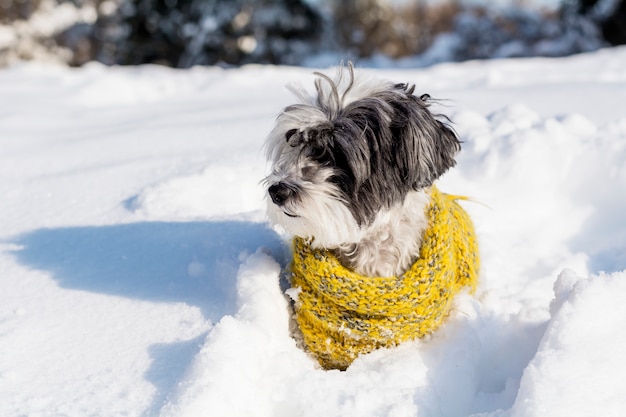
Protecting your pet during winter starts with limiting time outdoors, especially on the coldest days. Outings should be brief and always supervised; if possible, plan walks during daylight hours when temperatures are less severe. Pet-safe booties or paw balm can shield paws from ice, salt, and chemicals, while a well-fitting sweater or coat provides extra warmth for dogs with short fur.
After outdoor activity, gently wipe your pet’s paws, legs, and belly to remove ice, salt, and de-icers. Check for cracks or redness, and keep fur dry to prevent chills. At home, ensure your pet has a warm, draft-free place to sleep. Never leave pets in cars during winter, as temperatures inside can drop rapidly.
For pet owners who use antifreeze or other chemicals in the garage or driveway, clean up spills immediately and store containers out of reach. If you have questions about toxic substances, our veterinarians can advise you on safe storage and what to do if exposure occurs.
Recognizing Local Risks: Winter Pet Safety in Carmel
The unpredictable weather in Carmel and surrounding communities can catch even the most prepared pet owners off guard. Pay attention to local forecasts, and consider reaching out to your veterinary team for advice tailored to your pet’s needs. For ongoing health and wellness, our wellness exams and preventive care help identify vulnerabilities before winter arrives.
When to Seek Urgent Veterinary Care in Winter
Some situations require immediate veterinary attention to ensure your pet’s safety and well-being. Knowing when to visit an emergency vet near you is essential for preventing complications.
Signs That Warrant an Emergency Vet Visit
If your pet is shivering uncontrollably, seems weak or unresponsive, or has cold, pale, or swollen extremities, seek urgent care veterinary services in Carmel right away. Other signs, such as vomiting, drooling, stumbling, or seizures after possible exposure to ice melts or antifreeze, should also prompt immediate action.
Remember, walk-ins are always welcome at VetCheck Pet Urgent Care Center - Carmel, and no appointment is needed for emergencies. If you are unsure, it is always safer to err on the side of caution and have your pet evaluated by our veterinary professionals. For poisoning emergencies, you may also consult reputable resources like the Pet Poison Help Line or the ASPCA Poison Control, but prompt veterinary care is best for severe symptoms.
Importance of Immediate Action
Delays in seeking treatment for hypothermia, frostbite, or poisoning can lead to long-term harm or even be fatal. Our emergency veterinarians are available when your regular vet is closed or unavailable, providing a critical safety net during winter’s harshest days.
Stay Safe This Winter: Trust Your Local Urgent Care Veterinarian
Winter in Carmel brings unique challenges for pets and their families, but with the right knowledge and preparation, you can minimize risks and enjoy the season together. By recognizing the signs of hypothermia, frostbite, and poisoning, and knowing how to prevent pet emergencies, you keep your pet safe and comfortable all winter long.
If you ever need immediate help, remember that VetCheck Pet Urgent Care Center - Carmel welcomes walk-ins and offers fast, compassionate care for cold-weather emergencies. Our veterinary team is dedicated to supporting pet families in Carmel and surrounding communities, whether your dog has slipped on ice or your cat needs urgent attention after a cold night out. For more information or help finding an emergency veterinarian near you, call us at (317) 516-0707 or visit our emergency veterinary care page.
Prioritize winter pet safety in Carmel by staying alert for seasonal hazards and acting quickly when emergencies happen. Our urgent care vet near you is here to provide support, guidance, and skilled treatment whenever your pet needs us most.